
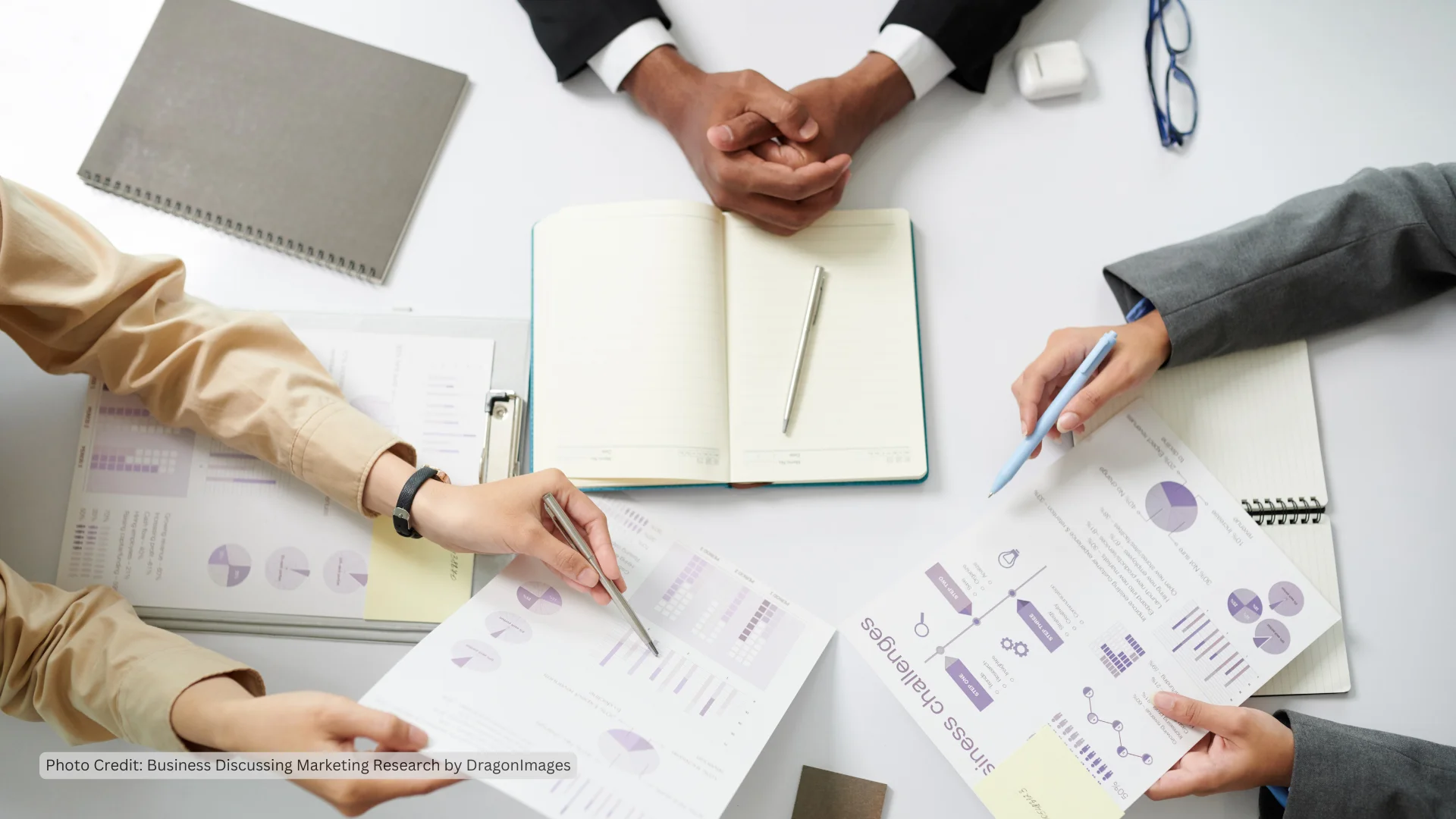
AI is increasingly being used to navigate difficult workplace conversations, from giving feedback to addressing sensitive issues.
The survey found that 53% of Australian managers who use AI have utilised the technology for at least one sensitive management task, including preparing for or managing difficult feedback, performance reviews, conflict, and employee complaints.
CEO of Dynamic Leadership Programs Australia (DLPA) and Crestcom ANZ, Karlie Cremin, said the research raised a key question for workplaces: where should AI assistance end and where do human accountability and judgement take over?
“Difficult conversations are not an inconvenience of leadership – they define leadership,” Ms Cremin said.
“AI can be a highly valuable tool to help managers prepare, structure their thinking, and check their tone. However, we risk weakening the very human skills effective leadership requires if technology is increasingly used to outsource uncomfortable interactions.
“While AI is an excellent supporting tool, organisations must clearly distinguish between AI supporting leadership and AI substituting for leadership.
The research also revealed the extent to which AI is entering sensitive workplace domains. Among the AI-using managers surveyed, 22 per cent had used the technology for performance reviews, 19 per cent for responding to complaints, 19 per cent for difficult conversations, and 18 per cent for delivering difficult feedback.
Read also: Why public sector agencies are shifting from cloud-first to cloud-smart strategies
A further 15 per cent of managers using AI said they used the technology to help manage conflict, while 12 per cent cited avoiding difficult conversations as a reason for using AI at work. The research also found that senior leaders and managers were significantly more likely than other AI users to rely on the technology for workplace communication tasks.
Ms Cremin said judgement, emotional intelligence, courage, and accountability are capabilities managers build by practising them.
“AI can help prepare a manager for a difficult conversation, but it cannot assume the responsibility for actually leading it,” she said.
“When managers avoid these moments, performance problems, conflict, and distrust compound.”
The data also revealed 84 per cent of the Australian workforce said they would rather be managed by a person than AI, and 35 per cent of those with a manager would be uncomfortable knowing AI had written their performance review.
AI use is advancing faster than organisational capability, with 75 per cent of the Australian workforce saying they had received no formal workplace AI training.
Ms Cremin said employers must urgently establish clear guardrails, treating AI adoption not just as a technology exercise, but as a leadership challenge.
“Organisations need to train managers to use AI as a tool for preparation only, ensuring they remain personally accountable for decisions that affect their teams.
“The ultimate goal of using AI in the workplace must be to make leaders better prepared for human conversations, ensuring human empathy, judgement, and accountability remain firmly in the driver’s seat,” she said.



 Latest
 Popular